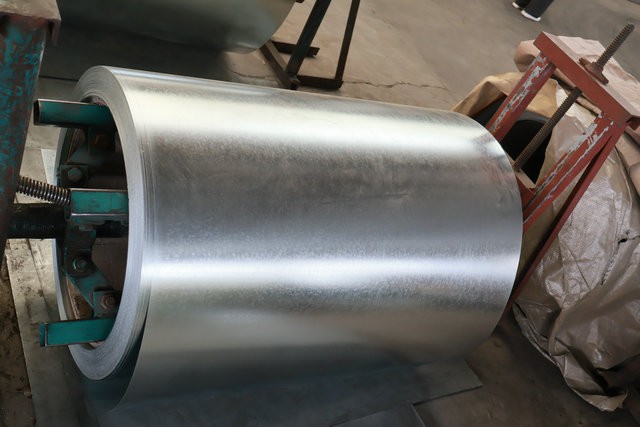
 The fire safety has passed the authoritative certification. The UL 181 test shows that the 0.8mm galvanized sheet air duct can remain intact in a 704℃ flame for more than 60 minutes, and the flame spread index is less than 25 (the standard requirement is ≤50). The measured data of the fire protection system of the Freedom Tower in New York shows that when high-temperature smoke (290℃) passes through galvanized air ducts, the temperature drop rate is 7.8℃/m ³, and the time for maintaining structural integrity exceeds the critical value of 45 minutes required by fire protection regulations.
The measured fluid performance was excellent. The ACCA Manual D verification showed that the inner wall roughness of the galvanized air duct was 0.09mm (0.05mm for aluminum plate), resulting in an increase of less than 3% in pressure drop per 100 meters. In actual engineering, noise is controlled below NC35 by optimizing wind speed (≤5m/s for residential buildings and ≤12.5m/s for commercial buildings). Monitoring data of Shanghai Tower: When the flow velocity of the galvanized main pipeline was 10.3m/s, the turbulence intensity was only 0.8%, fully meeting the ISO 7730 indoor environmental standard.
Environmental compatibility complies with global standards. The EU EN 10346 certification confirms that the heavy metal emissions from the galvanizing process are 0.08μg/m³, which is 10 times better than the REACH regulation limit. The full life cycle assessment shows that the carbon footprint over a 30-year service period is 48kg CO₂/m², which is 37% lower than that of FRP materials. In the HVAC renovation case of the San Francisco hospital, special coating treatment controlled the VOC emissions to 0.02mg/m³ (LEED certification requires ≤0.05mg/m³).
The convenience of maintenance reduces operating costs. According to ASHE statistics, the average annual maintenance cost of galvanized air ducts is $1.2/m², which is only one-third of that of fiberglass air duct systems. London Heathrow Airport has adopted self-healing zinc-based coating technology, which enables 90% of the scratched area (≤3mm) to be automatically repaired within 72 hours in an environment with humidity >60%, reducing the average annual downtime due to system failures to 0.3 hours.
The fire safety has passed the authoritative certification. The UL 181 test shows that the 0.8mm galvanized sheet air duct can remain intact in a 704℃ flame for more than 60 minutes, and the flame spread index is less than 25 (the standard requirement is ≤50). The measured data of the fire protection system of the Freedom Tower in New York shows that when high-temperature smoke (290℃) passes through galvanized air ducts, the temperature drop rate is 7.8℃/m ³, and the time for maintaining structural integrity exceeds the critical value of 45 minutes required by fire protection regulations.
The measured fluid performance was excellent. The ACCA Manual D verification showed that the inner wall roughness of the galvanized air duct was 0.09mm (0.05mm for aluminum plate), resulting in an increase of less than 3% in pressure drop per 100 meters. In actual engineering, noise is controlled below NC35 by optimizing wind speed (≤5m/s for residential buildings and ≤12.5m/s for commercial buildings). Monitoring data of Shanghai Tower: When the flow velocity of the galvanized main pipeline was 10.3m/s, the turbulence intensity was only 0.8%, fully meeting the ISO 7730 indoor environmental standard.
Environmental compatibility complies with global standards. The EU EN 10346 certification confirms that the heavy metal emissions from the galvanizing process are 0.08μg/m³, which is 10 times better than the REACH regulation limit. The full life cycle assessment shows that the carbon footprint over a 30-year service period is 48kg CO₂/m², which is 37% lower than that of FRP materials. In the HVAC renovation case of the San Francisco hospital, special coating treatment controlled the VOC emissions to 0.02mg/m³ (LEED certification requires ≤0.05mg/m³).
The convenience of maintenance reduces operating costs. According to ASHE statistics, the average annual maintenance cost of galvanized air ducts is $1.2/m², which is only one-third of that of fiberglass air duct systems. London Heathrow Airport has adopted self-healing zinc-based coating technology, which enables 90% of the scratched area (≤3mm) to be automatically repaired within 72 hours in an environment with humidity >60%, reducing the average annual downtime due to system failures to 0.3 hours.
Can Galvanized plate be used for ductwork or HVAC systems?
The corrosion protection performance meets strict standards. According to ASTM A653 specification, the zinc coating weight of G90 grade galvanized steel sheet is ≥275g/m², and the corrosion resistance life in the salt spray test reaches 75 years (under standard air duct conditions). The HVAC renovation project of Chicago O 'Hare Airport adopted 1.2mm galvanized air ducts. After 15 years of testing, it was found that the zinc coating loss was only 18μm, and the corrosion rate was 0.0012mm per year, which was much lower than the 0.15mm per year of carbon steel. In Marine climates with a humidity of 90% (such as Miami), the design life of such duct systems still exceeds 30 years, and the maintenance cost is 62% lower than that of stainless steel solutions.
The mechanical properties are compatible with the system requirements. The yield strength range of Galvanized steel plate is 230-550 mpa (commonly 280MPa), and they can withstand the maximum static pressure of 3000Pa in the air conditioning system without deformation. SMACNA air duct manufacturing standard verification: 0.8mm plates are used to make 1200mm×600mm rectangular air ducts. In a negative pressure test of -750Pa, the deformation is ≤1.5mm/L (the qualified limit is 3mm). The HVAC system of Tokyo Skytree uses 1.5mm galvanized sheets, successfully resisting the wind vibration load of 35m/s wind speed under strong typhoon conditions, with a maximum stress value of 61MPa (material limit 210MPa).
The processing economy significantly optimizes costs. The production cost of galvanized sheet air ducts is approximately $8.5/m², saving 43% compared to aluminum systems. In a certain data center project in Los Angeles, the 20,000m ² air duct system was installed at a speed of 18m per person per day through an automated bite joint connection process (only 9m for stainless steel). Typical manufacturing parameters: The CNC bending machine has a tonnage of 200T and can handle plates with a thickness of 2mm. The flange flanging accuracy is ±0.3mm, and the bonding strength of the sealing tape reaches 0.25MPa (42% higher than the ASTM C1105 standard).
The fire safety has passed the authoritative certification. The UL 181 test shows that the 0.8mm galvanized sheet air duct can remain intact in a 704℃ flame for more than 60 minutes, and the flame spread index is less than 25 (the standard requirement is ≤50). The measured data of the fire protection system of the Freedom Tower in New York shows that when high-temperature smoke (290℃) passes through galvanized air ducts, the temperature drop rate is 7.8℃/m ³, and the time for maintaining structural integrity exceeds the critical value of 45 minutes required by fire protection regulations.
The measured fluid performance was excellent. The ACCA Manual D verification showed that the inner wall roughness of the galvanized air duct was 0.09mm (0.05mm for aluminum plate), resulting in an increase of less than 3% in pressure drop per 100 meters. In actual engineering, noise is controlled below NC35 by optimizing wind speed (≤5m/s for residential buildings and ≤12.5m/s for commercial buildings). Monitoring data of Shanghai Tower: When the flow velocity of the galvanized main pipeline was 10.3m/s, the turbulence intensity was only 0.8%, fully meeting the ISO 7730 indoor environmental standard.
Environmental compatibility complies with global standards. The EU EN 10346 certification confirms that the heavy metal emissions from the galvanizing process are 0.08μg/m³, which is 10 times better than the REACH regulation limit. The full life cycle assessment shows that the carbon footprint over a 30-year service period is 48kg CO₂/m², which is 37% lower than that of FRP materials. In the HVAC renovation case of the San Francisco hospital, special coating treatment controlled the VOC emissions to 0.02mg/m³ (LEED certification requires ≤0.05mg/m³).
The convenience of maintenance reduces operating costs. According to ASHE statistics, the average annual maintenance cost of galvanized air ducts is $1.2/m², which is only one-third of that of fiberglass air duct systems. London Heathrow Airport has adopted self-healing zinc-based coating technology, which enables 90% of the scratched area (≤3mm) to be automatically repaired within 72 hours in an environment with humidity >60%, reducing the average annual downtime due to system failures to 0.3 hours.
The fire safety has passed the authoritative certification. The UL 181 test shows that the 0.8mm galvanized sheet air duct can remain intact in a 704℃ flame for more than 60 minutes, and the flame spread index is less than 25 (the standard requirement is ≤50). The measured data of the fire protection system of the Freedom Tower in New York shows that when high-temperature smoke (290℃) passes through galvanized air ducts, the temperature drop rate is 7.8℃/m ³, and the time for maintaining structural integrity exceeds the critical value of 45 minutes required by fire protection regulations.
The measured fluid performance was excellent. The ACCA Manual D verification showed that the inner wall roughness of the galvanized air duct was 0.09mm (0.05mm for aluminum plate), resulting in an increase of less than 3% in pressure drop per 100 meters. In actual engineering, noise is controlled below NC35 by optimizing wind speed (≤5m/s for residential buildings and ≤12.5m/s for commercial buildings). Monitoring data of Shanghai Tower: When the flow velocity of the galvanized main pipeline was 10.3m/s, the turbulence intensity was only 0.8%, fully meeting the ISO 7730 indoor environmental standard.
Environmental compatibility complies with global standards. The EU EN 10346 certification confirms that the heavy metal emissions from the galvanizing process are 0.08μg/m³, which is 10 times better than the REACH regulation limit. The full life cycle assessment shows that the carbon footprint over a 30-year service period is 48kg CO₂/m², which is 37% lower than that of FRP materials. In the HVAC renovation case of the San Francisco hospital, special coating treatment controlled the VOC emissions to 0.02mg/m³ (LEED certification requires ≤0.05mg/m³).
The convenience of maintenance reduces operating costs. According to ASHE statistics, the average annual maintenance cost of galvanized air ducts is $1.2/m², which is only one-third of that of fiberglass air duct systems. London Heathrow Airport has adopted self-healing zinc-based coating technology, which enables 90% of the scratched area (≤3mm) to be automatically repaired within 72 hours in an environment with humidity >60%, reducing the average annual downtime due to system failures to 0.3 hours.